Wellington Script: A Modern Handwritten Font for Professional Branding
When it comes to creating a brand identity, the right font can make all the difference. Wellington Script is a modern handwritten script that offers both style and readability, making it an excellent choice for branding designs. Whether you're designing logos, marketing materials, or website content, this font brings a personal and elegant touch that stands out in today's digital landscape.
What Is Wellington Script?
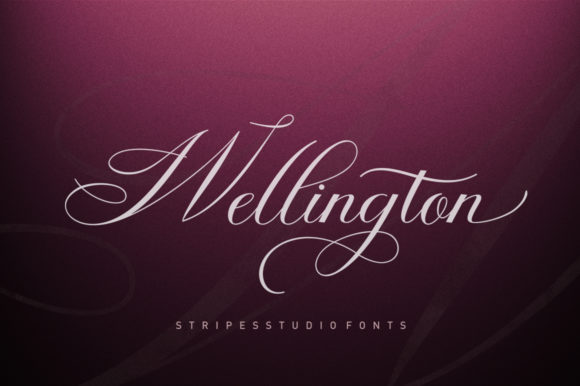
Wellington Script is a contemporary, stylized typeface designed to mimic the look of handwriting while maintaining clarity and professionalism. Unlike more ornate or cursive scripts, it avoids excessive flourishes that can reduce legibility. This makes it ideal for use in a wide range of applications, from business cards to social media posts.
The font’s clean lines and balanced structure ensure that even at smaller sizes, the text remains easy to read. This is particularly important for digital platforms where users often skim through content quickly.
Why People Choose Wellington Script
- Modern Aesthetic: The design of Wellington Script aligns with current trends in typography, offering a fresh and approachable look.
- High Readability: Despite being a script font, it maintains high readability, which is crucial for communication.
- Versatility: It works well across various mediums, including print, web, and mobile interfaces.
- Professional Appeal: Its refined appearance helps convey a sense of trust and quality, which is essential for branding.
Common Mistakes When Using Wellington Script
While Wellington Script is user-friendly, there are common pitfalls that can undermine its effectiveness if not avoided.
1. Overusing the Font
One of the most frequent mistakes is using Wellington Script in every part of a design. While it looks great in headlines or logos, applying it to large blocks of body text can be overwhelming and reduce readability.
Better Approach: Reserve Wellington Script for short bursts of text such as headlines, taglines, or call-to-action buttons. Use a sans-serif or serif font for body copy to maintain clarity and avoid visual fatigue.
2. Ignoring Spacing and Kerning
Script fonts like Wellington Script require careful attention to spacing and kerning. Improper spacing can lead to awkward letter groupings and a cluttered appearance.
Better Approach: Always preview your text in different sizes and layouts. Adjust spacing manually if needed, or use font tools that allow for fine-tuning of kerning settings.
3. Not Checking Compatibility
Some platforms may not support custom fonts properly, leading to unexpected display issues. This can be especially problematic when sharing content across multiple devices or browsers.
Better Approach: Before finalizing your design, test the font on different devices and screen sizes. Ensure that it renders correctly in all major browsers and operating systems.
4. Choosing the Wrong Weight or Style
Wellington Script may come in multiple weights or styles, but not all variations are suitable for every purpose. Selecting the wrong weight can affect the overall balance and impact of your design.
Better Approach: Review the available styles and weights before choosing. Opt for a weight that complements the tone and message of your content.
How to Avoid These Mistakes
To get the best results from Wellington Script, follow these practical steps:
- Use It Sparingly: Apply the font only where it adds value—such as in headings or short phrases.
- Test Across Devices: Make sure the font displays correctly on desktops, tablets, and smartphones.
- Adjust Spacing Carefully: Fine-tune the spacing between letters to ensure a clean, professional look.
- Review Available Styles: Choose the right weight and style based on the context and purpose of your design.
What to Check Before Using Wellington Script
Before incorporating Wellington Script into your projects, take a moment to evaluate the following:
- Licensing Terms: Ensure that you have the proper license to use the font for your intended purpose, especially if you're working on commercial projects.
- Font Quality: Download the font from a reputable source to avoid corrupted or low-quality files.
- Design Context: Consider how the font fits within the overall aesthetic of your project. Does it match the tone and message you want to convey?
- User Experience: Will the font enhance or hinder readability? Always prioritize usability over aesthetics alone.
Conclusion
Wellington Script is a versatile and stylish font that can elevate your branding efforts when used wisely. By avoiding common mistakes and focusing on practical application, you can ensure that your designs remain both visually appealing and highly functional. Whether you're a designer, marketer, or entrepreneur, taking the time to understand the nuances of this font will help you create more effective and professional-looking content.