Script Theory and Its Impact on Design
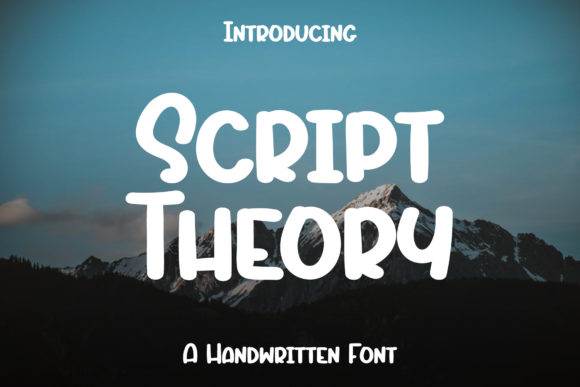
When it comes to typography, the right font can make all the difference. One such font that has gained significant popularity is Script Theory, a bold and simple handwritten font that brings a unique charm to any design project. This font is not just about aesthetics; it's also about functionality and versatility. Whether you're creating greeting cards, designing kids' crafts, or working on branding materials, Script Theory offers a sweet touch that can elevate your work.
The Aesthetic Appeal of Script Theory
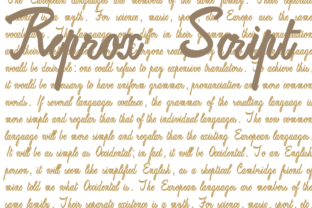
Script Theory stands out due to its elegant and fluid appearance. The bold strokes and flowing lines give it a natural, handwritten feel that feels personal and inviting. This makes it particularly suitable for projects where a warm and friendly tone is needed. For instance, when designing birthday invitations or thank-you notes, Script Theory can add a sense of intimacy and sincerity that other fonts might lack.
What sets Script Theory apart is its simplicity. While many script fonts can be overly ornate or difficult to read, Script Theory maintains a clean and readable structure. This balance between style and legibility is crucial for ensuring that your message is clear and impactful. It's a font that doesn't compromise on readability while still offering a distinctive visual identity.
Applications Across Various Industries
Script Theory is not limited to just personal use. Its versatility allows it to be applied in a wide range of industries and contexts. In the world of graphic design, this font can be used for logos, packaging, and promotional materials. Its bold nature makes it stand out, which is especially useful for branding purposes where visibility is key.
In the realm of children's crafts, Script Theory adds a playful and whimsical element. From handmade greeting cards to DIY party decorations, this font can transform simple projects into something more special. Parents and educators often appreciate its ability to engage young minds while encouraging creativity and self-expression.
Additionally, Script Theory can be found in digital spaces as well. Social media content creators often use this font to add a personal touch to their posts, making them more relatable and engaging. Its adaptability ensures that it remains relevant across different platforms and mediums.
Choosing the Right Font for Your Project
Before settling on Script Theory, it's important to consider the purpose of your design. Will it be used for a formal document or a casual invitation? Understanding the context will help you determine whether this font is the best fit. For example, while Script Theory is excellent for creative and informal designs, it may not be the most appropriate choice for professional reports or legal documents.
Another factor to consider is the target audience. If your design is intended for a younger demographic, Script Theory's playful and approachable style can resonate well. On the other hand, if you're targeting a more mature or professional audience, you might want to explore other fonts that convey a more serious or sophisticated tone.
It's also essential to think about the overall design composition. Script Theory works best when paired with complementary elements such as illustrations, colors, and layouts that enhance its visual appeal. Experimenting with different combinations can help you achieve the desired effect without overwhelming the viewer.
Practical Benefits and Considerations
One of the main advantages of using Script Theory is its ease of use. With a wide variety of styles and weights available, designers have the flexibility to customize the font according to their needs. This adaptability makes it a valuable tool for both beginners and experienced professionals alike.
However, like any font, there are some considerations to keep in mind. Since Script Theory is a handwritten font, it may not be suitable for long-form text or technical documents where clarity is paramount. Additionally, it's important to ensure that the font is properly licensed for commercial use, especially if you're planning to use it in print or digital media.
Despite these considerations, the benefits of Script Theory far outweigh its limitations. Its ability to add personality and warmth to any design makes it a popular choice among designers and creators. Whether you're working on a small project or a large-scale campaign, this font can help you achieve a cohesive and visually appealing result.
Enhancing Creativity with Script Theory
Script Theory encourages creativity by allowing designers to experiment with different layouts and compositions. Its fluid and organic nature lends itself well to artistic expression, making it an ideal choice for those looking to push the boundaries of traditional design.
For instance, when designing a wedding invitation, Script Theory can create a romantic and elegant atmosphere. Similarly, when crafting a children's book, this font can bring a sense of fun and imagination to the page. These examples highlight how Script Theory can be tailored to suit a wide range of creative endeavors.
Moreover, the font's adaptability means that it can be integrated into various design workflows. Whether you're using Adobe Illustrator, Canva, or even hand-drawn techniques, Script Theory offers a consistent and reliable option that enhances the overall quality of your work.
In conclusion, Script Theory is more than just a font—it's a versatile and expressive tool that can elevate your designs in both style and substance. By understanding its qualities and applications, you can harness its full potential and create meaningful, impactful projects that resonate with your audience.