History Script: A Timeless Handwritten Font for Modern Design
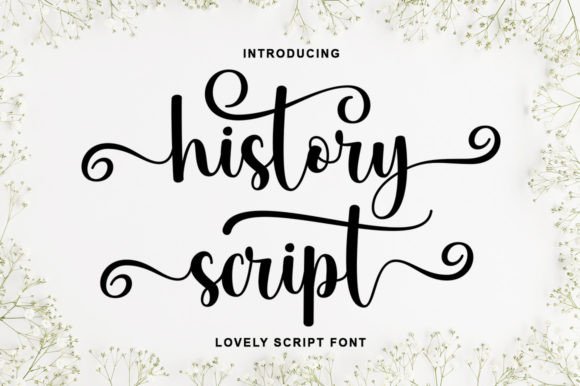
History Script is a handwritten font that blends the elegance of traditional calligraphy with the clarity and versatility required in modern design. Designed to feel both classic and contemporary, it offers a unique aesthetic that can elevate a wide range of creative projects. Whether you're crafting branding materials, designing invitations, or working on editorial layouts, History Script provides a refined yet approachable style that stands out without overwhelming the content.
What Makes History Script Stand Out?
At first glance, History Script might appear to be just another script font, but its thoughtful design sets it apart from the competition. The font is carefully crafted to maintain readability while preserving the organic, flowing nature of handwriting. Each letterform is balanced, with subtle variations in stroke weight and texture that give it a natural, hand-drawn feel. This makes it particularly suitable for projects where a personal touch is desired without sacrificing professionalism.
One of the most notable features of History Script is its PUA (Private Use Area) encoding. This means that all the special glyphs, ligatures, and alternate characters are easily accessible through standard font editing tools. For designers who want to fine-tune their typography, this level of control is invaluable. It allows for greater customization, ensuring that the font can adapt to different visual needs and stylistic preferences.
Key Characteristics and Practical Value
History Script is built with several key characteristics in mind:
- Readability: Despite its script style, the font remains highly legible, even at smaller sizes. This is crucial for use in body text, headlines, and other typographic elements where clarity is essential.
- Flexibility: The font supports a variety of weights and styles, making it suitable for both print and digital media. It can be used in logos, websites, social media posts, and more.
- Consistency: While designed to mimic handwriting, the font maintains a consistent structure across letters, which helps prevent visual clutter and ensures a polished appearance.
- Professional Presentation: The clean lines and elegant curves of History Script contribute to a professional look, making it ideal for business cards, presentations, and marketing materials.
The practical value of History Script lies in its ability to bridge the gap between tradition and modernity. It brings a sense of authenticity to designs while maintaining the sophistication needed for professional environments. This dual appeal makes it a versatile choice for a wide range of applications.
Real-World Performance and Usability
In real-world scenarios, History Script has proven to be a reliable asset for designers looking to add a personal touch to their work. Its performance in different mediums—whether printed on paper or displayed on screen—is consistently strong. The font's scalability ensures that it looks good at various sizes, from small footnotes to large headlines.
For web designers, History Script can be used effectively in headers, buttons, and call-to-action elements. However, due to its script nature, it's best reserved for shorter text segments rather than long paragraphs. When used appropriately, it adds visual interest without compromising user experience.
Freelancers and small business owners often find History Script particularly useful for creating brand identities that stand out. Its unique character allows them to differentiate their work in competitive markets, offering a distinctive visual signature that resonates with clients and audiences alike.
Who Benefits Most from History Script?
History Script is well-suited for professionals and creatives who seek a font that combines elegance with functionality. Here are some of the primary beneficiaries:
- Designers and Artists: Those working on illustrations, posters, and graphic designs can leverage History Script to enhance the visual storytelling aspect of their work.
- Marketers and Brand Managers: The font’s stylish yet professional appearance makes it ideal for branding materials, packaging, and promotional campaigns.
- Bloggers and Content Creators: Writers looking to create visually engaging blog headers or social media posts can use History Script to add personality to their content.
- Educators and Publishers: History Script can be used in educational materials, book covers, and magazine layouts to create an inviting and artistic atmosphere.
While History Script is a powerful tool, it's important to consider its limitations. Like many script fonts, it may not be the best choice for projects requiring high levels of legibility in dense text blocks. It should be used strategically to avoid potential readability issues.
Why Choose History Script Over Other Options?
Compared to other script fonts, History Script offers a more refined and balanced approach. Many script fonts can appear overly ornate or inconsistent, which can detract from the overall design. History Script avoids these pitfalls by maintaining a structured yet expressive form that feels both authentic and professional.
Its PUA encoding also gives it an edge over similar fonts that lack advanced glyph access. This feature enables users to explore alternative characters and ligatures, adding depth and nuance to their typographic choices. For those who value customization and precision, this is a significant advantage.
Ultimately, History Script is more than just a font—it's a design element that can shape the tone and identity of a project. Its blend of historical inspiration and modern sensibility makes it a compelling choice for anyone looking to infuse their work with a touch of elegance and individuality.
If you're searching for a font that feels both timeless and contemporary, History Script is worth considering. Its thoughtful design, practical usability, and stylistic versatility make it a valuable addition to any designer's toolkit. Whether you're working on a personal project or a professional campaign, History Script has the potential to bring your vision to life in a way that feels both authentic and impactful.