Hiroshima Script: A Handwritten Font with a Unique Story
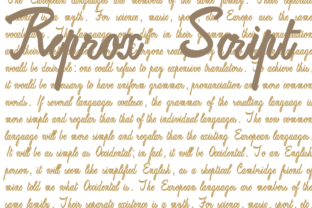
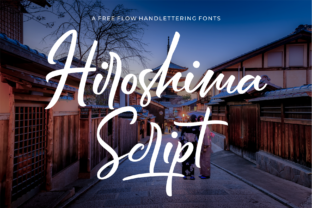
The Hiroshima Script is more than just a font—it’s a piece of history, art, and design. Named after the city of Hiroshima in Japan, this casual script font brings a free-flowing, handwritten aesthetic to any project. Its natural curves and organic feel make it stand out from other fonts, offering a unique visual identity that can be used across a wide range of applications.
Origins and Design Philosophy
The Hiroshima Script was developed with a focus on simplicity and elegance. Unlike highly stylized or decorative scripts, it maintains a clean and approachable look that feels personal and authentic. The font mimics the natural flow of handwriting, making it ideal for projects that require a human touch. This makes it especially appealing to designers who want to add warmth and personality to their work without sacrificing readability.
Its origins are rooted in the cultural and historical significance of Hiroshima, which adds a layer of meaning beyond its visual appeal. While the font itself doesn’t carry political connotations, it serves as a reminder of the city's resilience and rebirth, giving it a deeper emotional resonance.
Key Features of Hiroshima Script
- Free-Flowing Style: The script has a relaxed, informal appearance that resembles actual handwriting.
- High Readability: Despite its casual look, the font remains easy to read even at smaller sizes.
- Versatile Application: It works well in both digital and print formats, making it suitable for various media.
- Cultural Relevance: The name and inspiration behind the font offer a unique storytelling element.
These features make Hiroshima Script an excellent choice for branding, packaging, web design, and even educational materials where a friendly and engaging tone is desired.
Practical Uses and Real-World Applications
The versatility of Hiroshima Script allows it to be used in numerous contexts. One common use is in logo design, where the font can help create a brand identity that feels warm and inviting. For example, a boutique coffee shop might use this font on its signage to give off a cozy, community-oriented vibe.
In web design, Hiroshima Script can be used for headlines, call-to-action buttons, or even body text in certain cases. However, due to its script nature, it’s best reserved for short bursts of text rather than long paragraphs. When used effectively, it can draw attention and enhance the visual appeal of a website.
Print media also benefits from the use of Hiroshima Script. Invitations, greeting cards, and promotional flyers often use script fonts to convey a sense of personalization. The font’s soft, flowing lines can make these items feel more handcrafted and less mass-produced.
Comparisons with Other Script Fonts
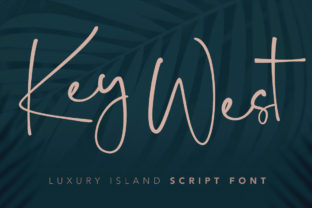
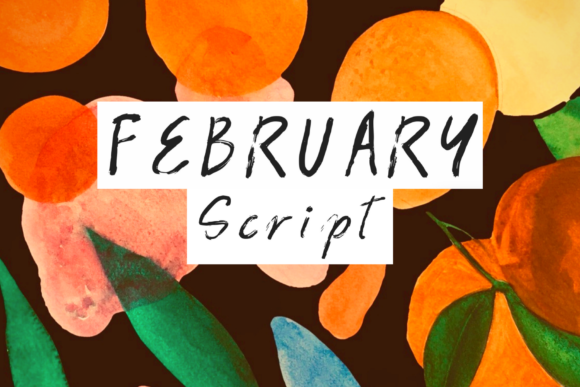
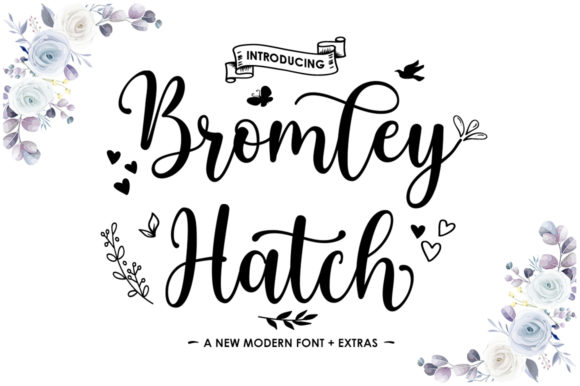
Compared to other popular script fonts like Brush Script MT or Lobster, Hiroshima Script offers a more balanced and refined look. While those fonts can sometimes appear too ornate or difficult to read, Hiroshima Script strikes a middle ground between style and clarity. This makes it more versatile for professional use.
Another advantage is that Hiroshima Script is available in multiple weights and styles, allowing for greater flexibility in design. This means you can use it for headings, subheadings, and even accents within the same document without losing consistency.
Considerations for Using Hiroshima Script
While Hiroshima Script is a great font, there are a few considerations to keep in mind before using it in your projects. First, because it’s a script font, it may not be suitable for all types of content. Long blocks of text can become hard to follow, so it’s best used sparingly.
Additionally, when using this font in digital environments, it’s important to ensure that it’s embedded properly or that users have access to it. Some platforms may not support custom fonts, which could affect how your content appears to others.
Finally, while the font’s cultural background adds depth, it’s essential to use it respectfully. Avoid using it in contexts that might be seen as insensitive or inappropriate given its association with Hiroshima.
Best Practices for Incorporating Hiroshima Script
- Use for Headlines and Titles: This is where the font shines brightest. Use it for main titles, section headers, or feature names.
- Pair with a Complementary Font: To maintain readability, pair Hiroshima Script with a sans-serif or serif font for body text.
- Limit Usage: Don’t overuse the font. A little goes a long way, and too much can make your design feel cluttered.
- Test Across Devices: Make sure the font looks good on different screen sizes and resolutions.
By following these best practices, you can ensure that Hiroshima Script enhances your design rather than detracts from it.
Trends and Future of Script Fonts in Design
Script fonts have been experiencing a resurgence in popularity, especially in the realm of branding and marketing. As consumers continue to seek more personalized and authentic experiences, fonts like Hiroshima Script are becoming increasingly valuable tools for designers.
This trend is likely to continue, with more emphasis placed on fonts that evoke emotion and tell a story. In this context, Hiroshima Script stands out as a font that not only looks beautiful but also carries meaningful associations that can be leveraged in creative ways.
As technology evolves, we may see more variations of script fonts being developed, each with its own unique characteristics and purposes. Hiroshima Script is already well-positioned to be a go-to option for designers looking for something distinctive yet functional.
Whether you’re a professional designer, a business owner, or simply someone interested in typography, understanding the nuances of fonts like Hiroshima Script can greatly enhance your ability to communicate visually.